Six plays to grow direct revenue on your hotel website
On average, 98% of hotel website visitors leave without booking. If your website converts at 2%, moving to 3% doesn't sound dramatic, but it means 50% more direct bookings from the traffic you already have.
For revenue managers that gap is a rate, mix and channel question, and for marketers it's a conversion question. It's the same gap, and the website is where both teams can close it.
Here are six plays revenue and marketing teams can run together, each with tactics you can put to work right away.
Key takeaways
Most website visitors leave without booking, so the biggest direct revenue gain comes from converting the traffic you already have
Targeted offers protect margin: show incentives only to the visitors who need them, and try perks or room upgrades before a rate cut
Upsells, ancillary offers and longer-stay incentives raise revenue per booking, not only booking volume
Seasonal peaks such as Black Friday reward hotels with a dedicated website campaign: those that ran one grew direct revenue 60.5% in 2025, against 4.4% for those that didn't
Play one: grow ABV by selling up
Your average booking value (ABV) trails the chain and other compsets, and suites or superior rooms sit unsold in periods you'd rather fill.
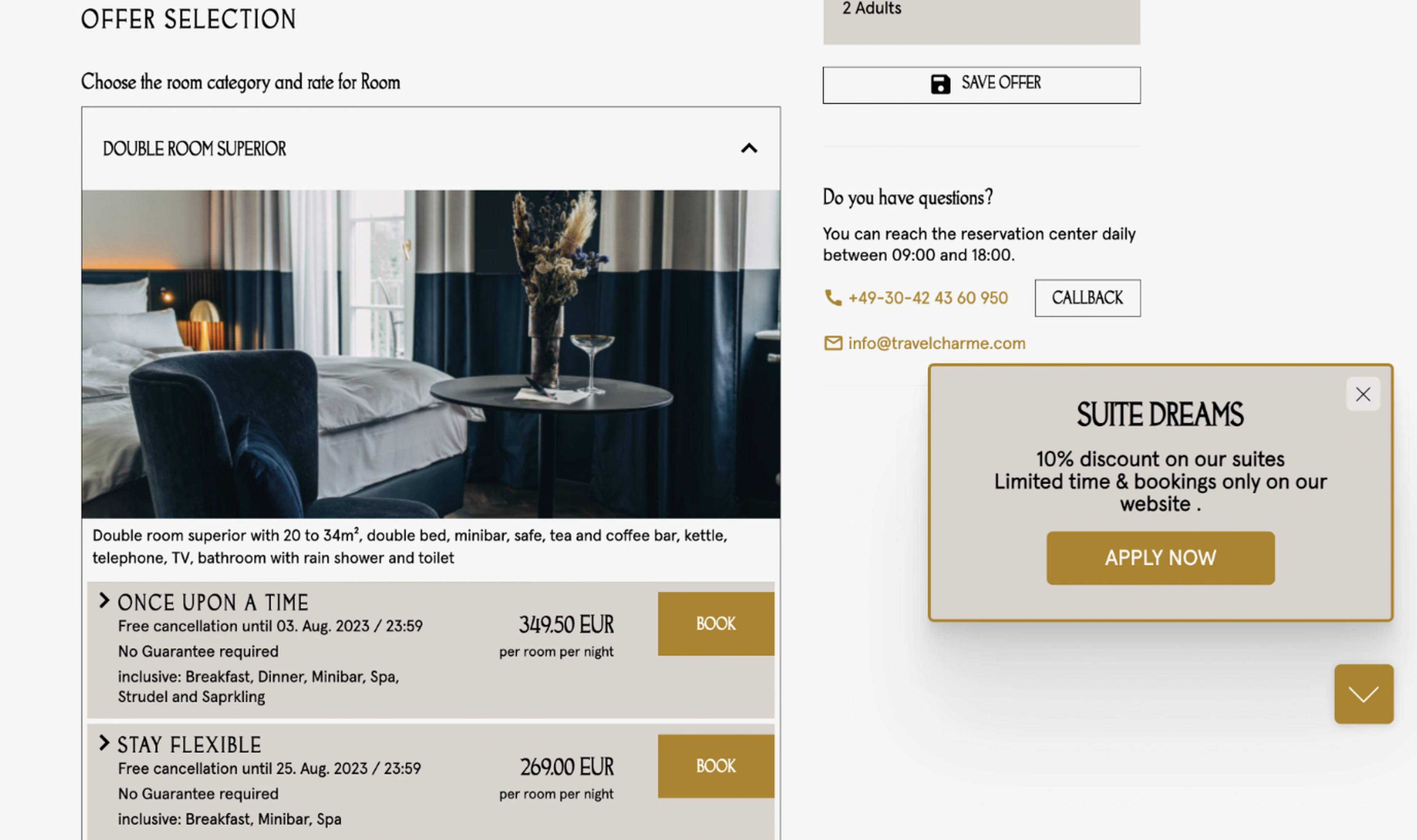
Before reaching for a discount, consider what else moves a guest up a room category:
A 10% direct-only offer on suites, shown in the booking engine for selected dates
A flash offer with a countdown on the homepage for superior rooms in off-peak months such as February and March
A message on larger room sizes, shown only for specific searches, such as two adults plus two children
A perk-led message that highlights what's included with a suite instead of cutting the rate
Not every shift in mix needs a rate cut, so test a perk-led message against a price-led one and see which earns the better ABV.
The real gains come from targeting. Small Luxury Hotels of the World used Lighthouse Direct to show premium offers to high-intent visitors and saw 3x ABV among users who interacted with the campaign compared with the control group.
Play two: lift ancillary revenue
Rooms are the baseline. The spa, restaurant and bar are where margin lives, yet most hotel websites barely promote them.
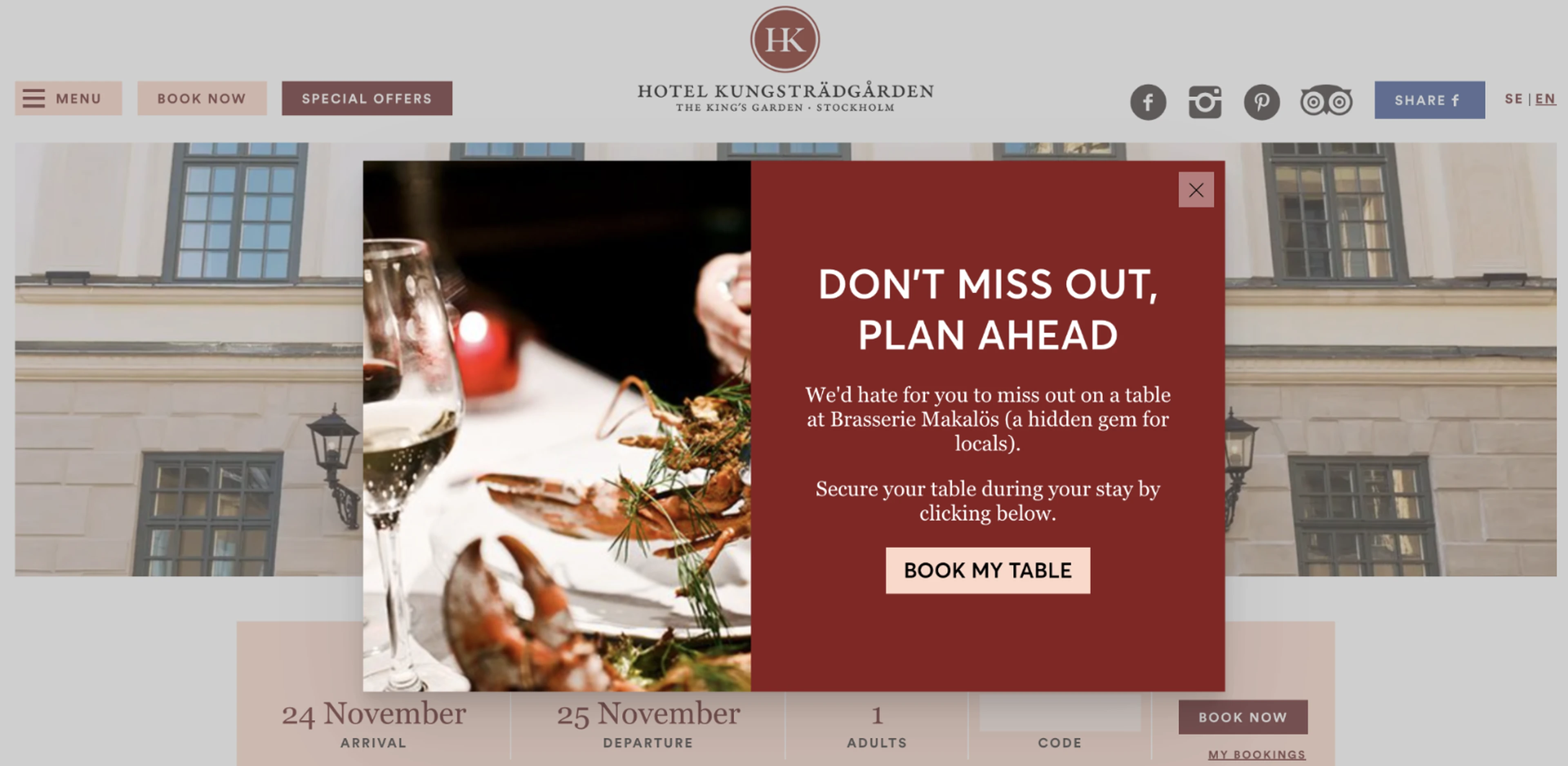
Try these:
An Inliner on the booking confirmation page promoting the restaurant
A Layer aimed at returning visitors who booked recently, encouraging a table reservation
A local-visitor campaign for guests who may never book a room but would use your new bar
A spa offer, such as 20% off treatments, at confirmation
The confirmation page is the most underused real estate on your website, since the guest has already committed and there's no conversion risk in adding a relevant offer.
Revenue decides which outlets or inventory need support, and marketing turns those priorities into the messaging guests see at each of these points.
Play three: extend length of stay
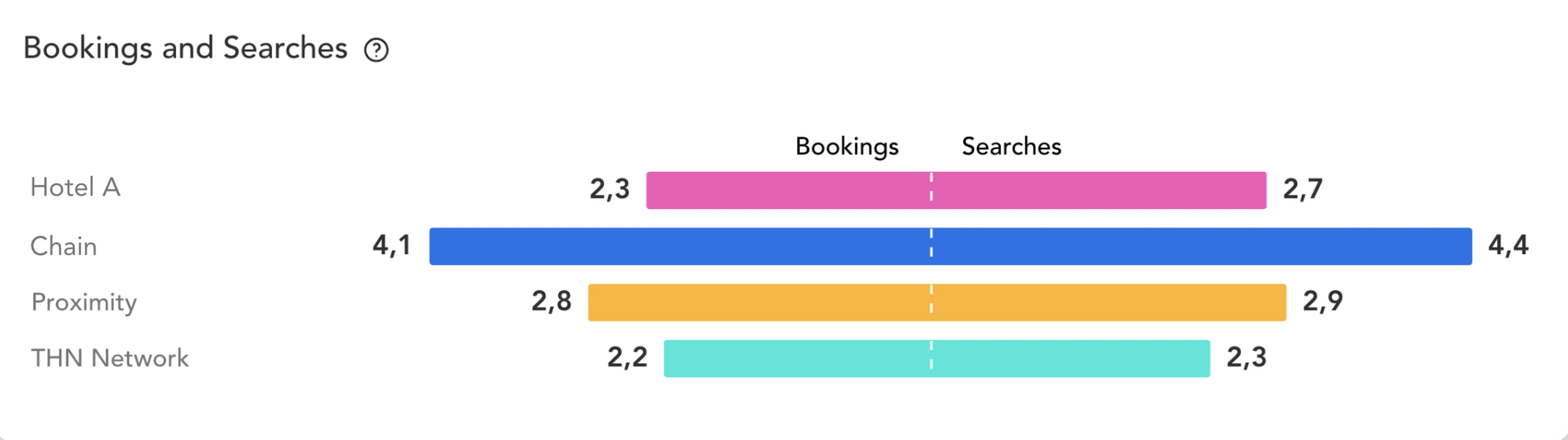
In this example, guests searched for 2.7 nights on average but booked only 2.3. That 0.4-night difference is room revenue sitting in your search data.
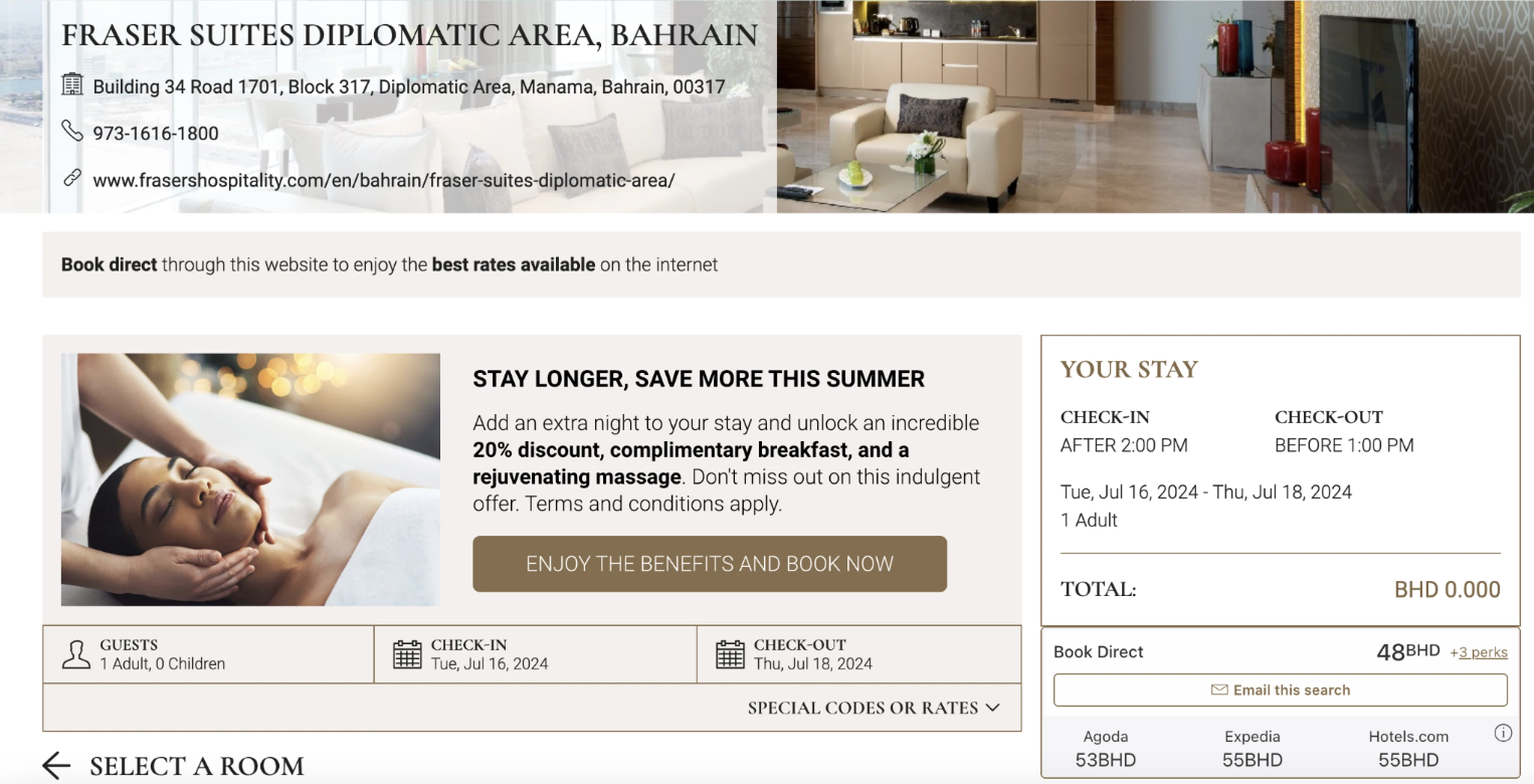
Act on it where the guest is deciding:
For searches under three nights, show an Inliner with a special offer
For weekday searches, offer an incentive to extend into the weekend
For stays of seven nights or longer, offer exclusive perks
Combine this with targeting for the best result. Hotels that aim offers at visitors who are both likely to book and flexible on dates can move more bookings into larger room types and lift ABV.
Play four: grow direct share without discounting everyone
The most common way to win a direct booking is a blanket discount. It works, but it also gives margin to guests who would have booked anyway.
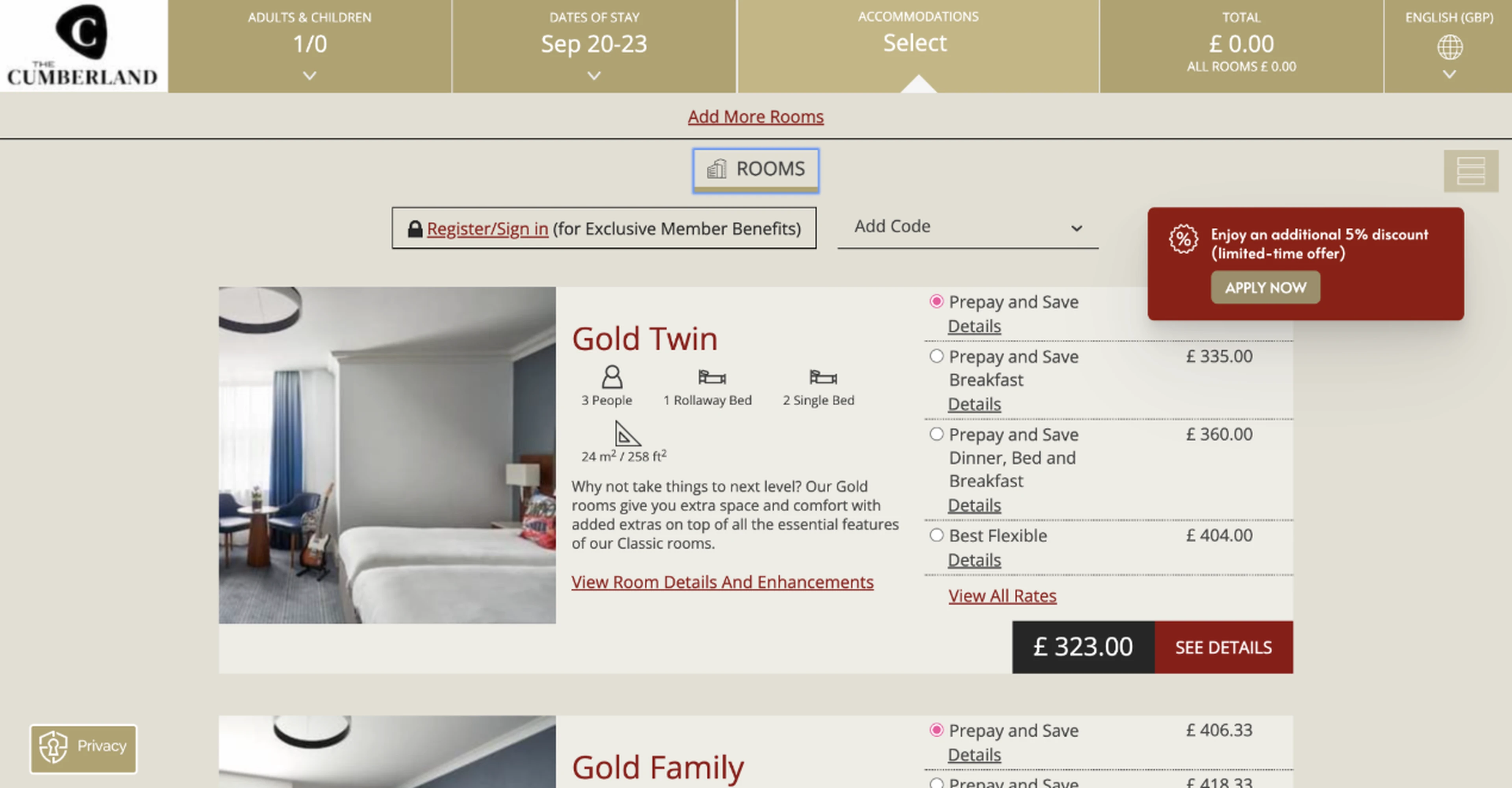
AI-powered targeting changes that. Lighthouse Direct analyzes 400+ variables per visitor, including past behavior, current session and market data, to estimate how likely each person is to book. From there you can:
Show a small incentive only to the low-intent visitors who need one
Show a premium offer, or no discount at all, to high-intent visitors
THE THIEF in Oslo shows how this works in practice. Smart Notes with a promo code targeted low-intent visitors, driving a 25% website conversion uplift, €26,000 in promotional savings and €30,545 in revenue from visitors who might otherwise have left.
Before you launch, run every campaign with a control group. This practice gives you the incremental revenue figure you need to show the GM or ownership, and settles any debate about whether the bookings were truly additional.
Play five: plan around demand peaks and troughs
Seasonal peaks reward hotels that show up with a dedicated offer on their own website.
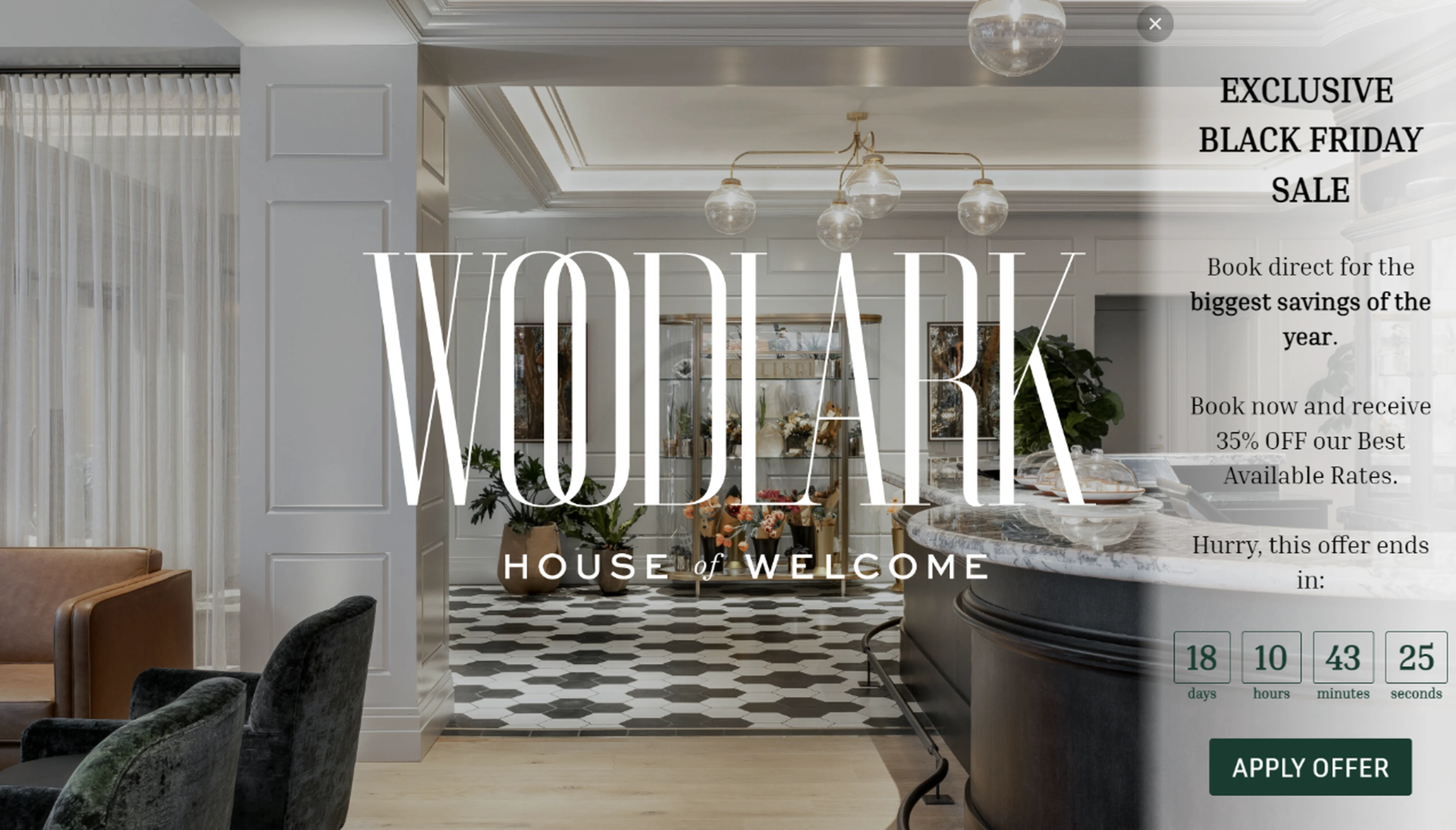
Plan around the dates your market already runs on:
Use Black Friday to fill lower-occupancy months such as March, and add a countdown to create urgency
Treat Valentine's Day as a month, not a day, and show couples' offers throughout
Apply the same approach to Mother's Day and any local demand spike your market runs on
Black Friday 2025 shows what's at stake: across 1,982 hotels, those that ran a dedicated website campaign grew direct revenue 60.5% in the two weeks up to and including Black Friday compared with the same two weeks a month earlier, against 4.4% for those that didn't. Booking engine conversion rose 56.6% for campaign hotels and slipped 0.6% for the rest, which is why planning around peaks matters: demand concentrates around the properties that are ready for it.
Play six: protect the rate you worked to set
Revenue managers spend significant time getting the rate right. But a guest can compare it with an online travel agency (OTA) price before they book, and if the OTA is lower, conversion drops.
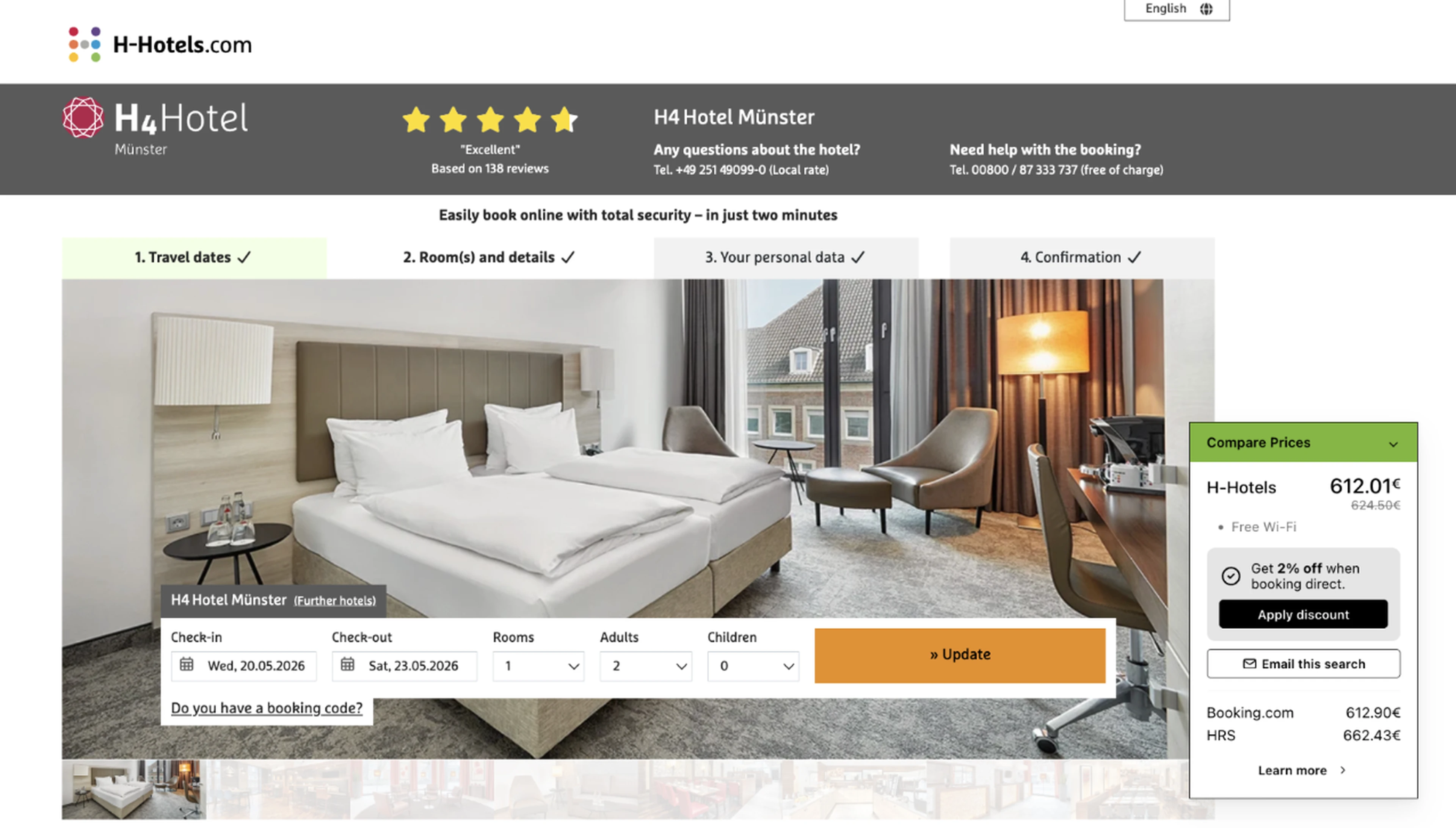
Parity doesn't maintain itself, so build in these checks:
Show Price Comparison so guests see proof they've found the best price
Monitor every disparity in real time so you know when and where OTAs undercut you
Use Price Match to match the OTA rate automatically, or a custom perk to respond more subtly at the moment of comparison
Agree on one shared rule between revenue and marketing for when to match and when to offer a perk. It keeps your response consistent and protects your rate integrity.
Bringing it together
Each play follows the same logic: target by intent, test with a control group and measure incremental revenue. Winning direct bookings comes from showing the right guest the right offer at the right moment.
Lighthouse Direct adapts your website in real time, so revenue and marketing teams can run these plays without developer resources.
Frequently asked questions
How can hotels increase direct bookings without discounting everyone?
Target by intent: show a small incentive only to low-intent visitors, and show high-intent visitors a premium offer or no discount at all. Test perk-led messages against price-led ones to see which earns the better average booking value.
How can a hotel website raise average booking value?
Promote suites and superior rooms with perk-led offers, cross-sell the spa and restaurant on the confirmation page, and show incentives for longer stays when guests search for fewer than three nights.
How do you know if a website campaign drives incremental revenue?
Hold back a control group, then compare visitors who saw the campaign with those who didn't. That gives you the incremental revenue figure and settles whether the bookings were truly additional.
Why plan website campaigns around demand peaks?
Demand concentrates around the hotels that are ready for it. In 2025, hotels running a dedicated Black Friday website campaign grew direct revenue 60.5%, while those that didn't grew 4.4%, so launch before the peak rather than on the day.
What should hotels do when OTAs undercut their direct rate?
Show a real-time price comparison so guests see they've found the best price, then use a price match or a custom perk at the moment of comparison. Agree in advance when revenue and marketing will match and when they'll offer a perk.

Paige Lopez

Paige Lopez
Paige is a content marketer with a passion for storytelling and helping hotel brands grow their direct channel. With a background in hospitality marketing, she explores how personalized messaging, guest-centric content, and AI-driven tools can boost direct bookings by optimizing every stage of the user journey.