Types of accommodation: 30+ lodging types explained
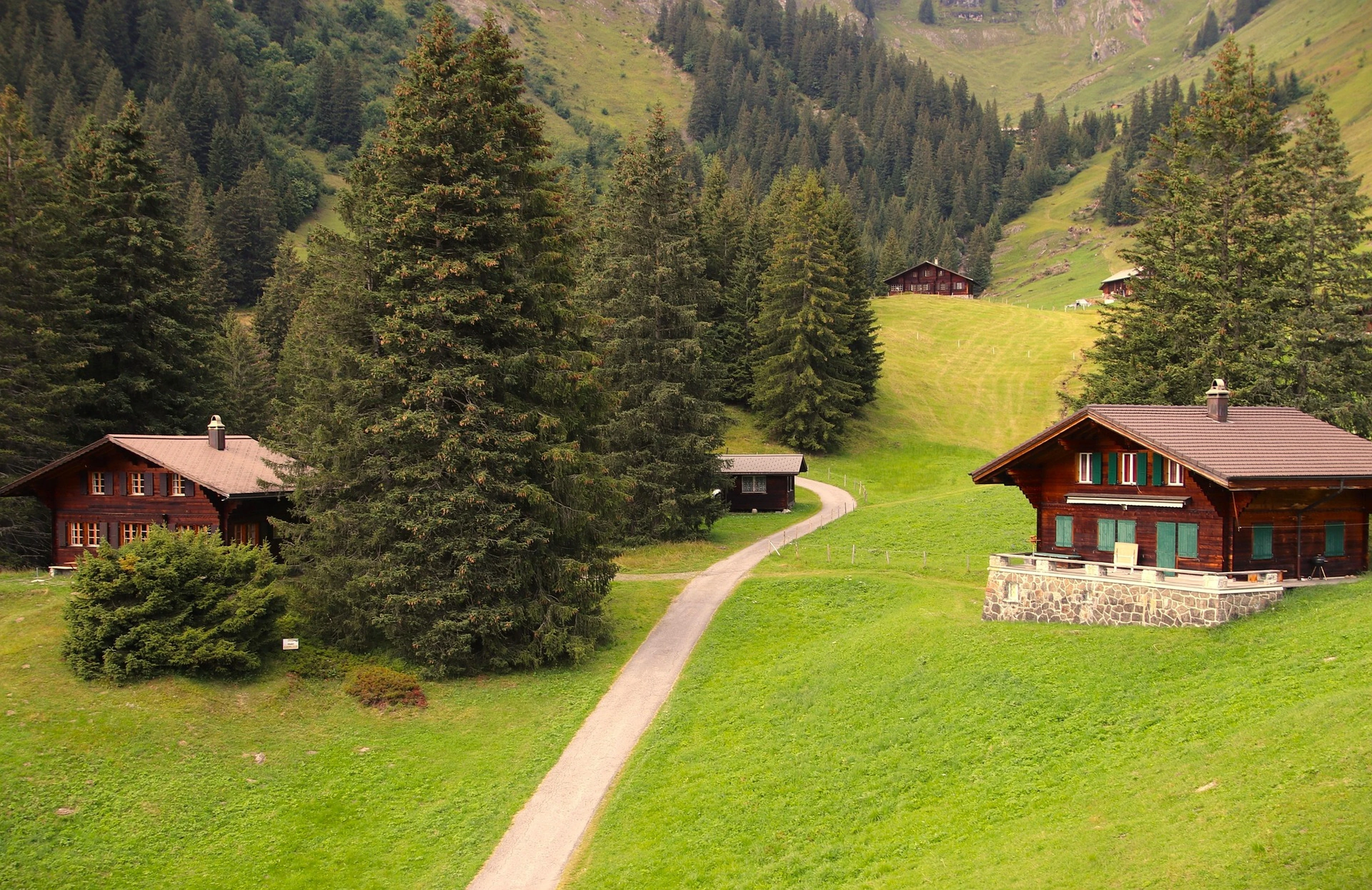
Types of accommodation range from familiar hotels and motels to hostels, gîtes, ryokans and yurts. Each one differs in price, privacy, services and location.
Lighthouse is a hotel commercial platform used by 80,000+ properties, and this guide is for hoteliers, owners and travel professionals who need a clear way to classify lodging, as well as curious travelers. It defines more than 30 lodging types, shows how the confusing pairs differ, and adds where each is popular and a little history along the way.
Key takeaways
A hotel is a serviced commercial property (usually staffed 24 hours a day), and most other lodging types differ from it in four ways: services, privacy, location and who runs them.
A motel is a roadside, drive-up property, and the word was coined for the Milestone Mo-Tel in San Luis Obispo, California, which was built in 1925.
Hostels (shared dorms) and hostals (Spanish budget hotels rated one to three stars) are different lodging types, despite the similar spelling.
Self-catering options such as apartments, holiday homes, cottages, chalets and gîtes give guests a kitchen and more space, usually for longer stays.
Lodging type shapes pricing, competitive sets and benchmarking, so hoteliers should classify their property, and its true competitors, accurately.
What are the main types of accommodation?
The main types of accommodation fall into five groups: hotel-style stays, budget and shared stays, home-style and self-catering stays, outdoor and unconventional stays, and traditional lodging from around the world. The table below shows all of them at a glance, and each one is explained in detail further down.
| Type | In one line | Often found in |
|---|---|---|
| Hotel | Serviced rooms with a front desk, housekeeping and usually food and drink | Worldwide |
| Economy hotel | Limited-service hotel with simple rooms and low rates | Near highways, airports and transportation hubs |
| Adults-only hotel | Hotel that only accepts guests above a minimum age | Mediterranean and Caribbean resorts |
| All-suite hotel | Every room is a suite with a separate living area | North America, extended-stay markets |
| Aparthotel | Serviced apartments with hotel services | European cities, growing in Asia |
| Resort | Destination property built around on-site leisure | Beaches, islands and ski regions |
| Health resort | Wellness stays built around spas, thermal baths, or another health-centric amenity | Central Europe, Japan, Turkey |
| Country house hotel | Historic manor or estate turned hotel | UK and Ireland, European countryside |
| Motel | Roadside property with drive-up rooms | USA, Canada, Australia |
| Inn | Small property offering rooms, food and drink | UK, Ireland, New England |
| Lodge | Rustic, nature-based property with shared spaces | Safari, ski and national park areas |
| Hostel | Low-cost beds in shared dorms and common areas | Cities and backpacker routes worldwide |
| Hostal | Small, family-run budget hotel | Spain, parts of Latin America |
| Capsule hotel | Compact bed-sized pods with shared facilities | Japan, spreading across Asia |
| Guest house | Small, home-like property with limited services | UK, Ireland, South Africa, Asia |
| Bed and breakfast | Private rooms in a small property with breakfast included | UK, Ireland, USA, Europe |
| Apartment | Self-contained unit with kitchen and living area | Cities worldwide |
| Holiday home | Furnished home rented to holidaymakers | Mediterranean Europe, beach regions |
| Gîte | Self-catering rural holiday home | France |
| Cottage | Small countryside or coastal house for holidays | UK, Ireland, Canada |
| Chalet | Mountain-style wooden house for stays | The Alps, ski resorts |
| Homestay | A room in a local host's own home | Asia, language-study destinations |
| Farm stay | Rooms or cottages on a working farm | Italy, France, UK, Australia |
| Campsite | Pitches for tents, caravans and campervans | Europe, North America |
| Holiday park | Large leisure site with caravans, chalets and camping | UK, Ireland, Australia, New Zealand |
| Luxury tent | Furnished canvas tent with real beds and comforts | African safaris, glamping sites |
| Yurt | Round felt-covered nomadic dwelling | Central Asia, glamping worldwide |
| Boat | Stays on houseboats, narrowboats and yachts | Netherlands, UK canals, Kerala |
| Cruise | A cabin on a ship with meals and travel included | Caribbean, Mediterranean, rivers |
| Ryokan | Traditional Japanese inn with tatami rooms and hot baths | Japan |
| Riad | Moroccan house built around an interior courtyard | Marrakech, Fez |
| Pousada | Portuguese-language inn or guest house | Portugal, Brazil |
| Agriturismo | Italian farm stay with local food | Italy |
Hotel-style stays
What is a hotel?
A hotel is a commercial property that rents private rooms to short-stay guests and provides on-site services such as a front desk, housekeeping and often food and drink. Hotels range from basic budget properties to luxury landmarks, and they are the benchmark most other lodging types are compared against.
Popular in: Everywhere, concentrated in cities, near airports and in tourist destinations. How it compares: Unlike a motel, a hotel usually has interior corridors, a central lobby and wider amenities. See our guide to motels vs hotels. A bit of history: The word comes from the French hôtel, originally a grand townhouse. Paid lodging for travelers is far older, though: archaeologists have found buildings in ancient Mesopotamia, around 4,000 years old, that might today be described as hotels or inns.
What is an economy hotel?
An economy hotel is a limited-service hotel with simple, standardized rooms and low rates, usually without a full restaurant or extensive amenities. It trades facilities for price and convenience, which is why economy properties cluster near highways, airports and transport hubs.
Popular in: Wherever road and business travel is heavy, including North America, Europe and Asia. How it compares: Compared with a motel, an economy hotel is usually a multi-floor building with interior corridors. Compared with a hostel, guests get a private room. Good to know: Many economy hotels belong to large chains, so brand standards often matter as much as location.
What is an adults-only hotel?
An adults-only hotel restricts stays to guests above a minimum age, commonly 16 or 18, so there are no children on site. The format appeals to couples, honeymooners and travelers who want a quieter pool and restaurant, and some resorts run it as a separate adults-only wing or brand.
Popular in: Mediterranean beach destinations and Caribbean resorts, plus parts of Europe's spa and city-break market. How it compares: The facilities often match a family resort, but without kids' clubs and with a quieter atmosphere. Good to know: The minimum age varies by property, so guests should check each policy.
What is an all-suite hotel?
An all-suite hotel offers only suites, meaning every guest room has a separate living area and sleeping area, often with a kitchenette. Guests pay more than for a standard room but get space to work, relax and entertain, which suits longer stays and families.
Popular in: North America, and in business and extended-stay markets worldwide. How it compares: An all-suite hotel is a hotel with suite-style rooms, while an aparthotel is centered on apartments with kitchens. Good to know: Lighthouse's data groups "all-suite" and "apartment" hotels together, which reflects how closely the two overlap.
What is an aparthotel?
An aparthotel, also called an apart hotel, combines serviced apartments with hotel-style services such as a front desk and housekeeping. Units usually include a kitchen or kitchenette and living space, which makes them popular for stays of a week or longer.
Popular in: European cities, with growing presence across Asia and the Middle East. How it compares: An aparthotel offers more services than a plain apartment rental and more self-catering space than a standard hotel room. Good to know: Longer average stays make aparthotels a distinct segment for pricing and forecasting.
What is a resort?
A resort is a destination property built around on-site leisure, such as pools, beaches, golf, spas, kids' clubs and restaurants, so guests can stay on the property for the entire trip. Many resorts offer all-inclusive pricing that bundles meals, drinks and activities.
Popular in: The Caribbean and Mexico, the Mediterranean, the Indian Ocean, Southeast Asia and major ski regions. How it compares: A hotel is usually booked for its location, while a resort is booked for what is offered on-property. Good to know: "Resort" is often used loosely, so the defining trait is that the amenities are the reason to book.
What is a health resort?
A health resort is a property focused on wellness, offering spa treatments, thermal or mineral baths, fitness, nutrition and sometimes structured programs including yoga or meditation retreats. Stays can run from a weekend to several weeks, and guests often follow a structured daily program.
Popular in: Central Europe (Germany, Austria, Hungary, Czechia), Japan and Turkey, as well as parts of North America and Asia. How it compares: A spa hotel adds a spa to a standard stay, while a health resort is organized around wellness from the start. A bit of history: Many are built around natural hot springs. Thermal spas have drawn visitors since Roman times, when bathing complexes were built at springs such as Bath in England.
What is a country house hotel?
A country house hotel is a historic manor, mansion or estate converted into a hotel, usually set in its own grounds in the countryside. Expect period architecture, individually styled rooms, restaurants and activities such as guided walks, birdwatching or shooting, typically at a premium price.
Popular in: The UK and Ireland, with equivalents including châteaux in France, villas in Italy and fincas in Spain. How it compares: It is similar to a boutique hotel in character, but the setting and the historic building are a major draw. A bit of history: In Britain, many stately homes have become hotels as the cost of maintaining large estates grew greatly during the 20th century.
What is a motel?
A motel, short for "motor hotel", is a roadside property designed for drivers, with rooms that open to the parking lot and easy drive-up access. Motels are usually low-rise, no-frills and budget-friendly, aimed at road trippers who need a convenient overnight stop.
Popular in: The United States and Canada, and common in Australia and New Zealand. How it compares: A motel has exterior room entrances and fewer services, while a hotel has interior corridors and a lobby. Read our full guide to motels vs hotels. A bit of history: The word comes from the Milestone Mo-Tel in San Luis Obispo, California, built in 1925 by architect Arthur Heineman. Its name was later changed to the Motel Inn.
What is an inn?
An inn is a small lodging property, historically on a road or in a village, that rents rooms and serves food and drink, often through an on-site pub or restaurant. Modern inns range from rustic roadside stops to upscale country inns.
Popular in: The UK and Ireland, where an inn is often a pub with rooms, and in the northeastern United States, including New England. How it compares: An inn typically has a restaurant or bar and more services than a bed and breakfast, but is smaller than most hotels. A bit of history: Inns grew up along trade routes and coach roads, where travelers needed a bed, a meal and shelter for horses.
What is a lodge?
A lodge is a rustic or nature-based property, often in mountains, forests or wildlife areas, offering comfortable rooms and shared spaces such as a great hall or restaurant. Lodges serve guests who come for the setting, whether skiing, hiking, fishing or safari.
Popular in: Safari lodges in East and Southern Africa, ski lodges in the Alps and North America, and national park lodges in the US and Canada. How it compares: A lodge is similar to a small hotel, but its location and activities define it. Good to know: Many lodges are fully inclusive, bundling meals and guided activities.
Home-style and self-catering stays
What is an apartment (serviced apartment)?
An apartment, or serviced apartment, is a self-contained unit with its own kitchen, living area and bathroom, rented by the night, week or month. It gives guests space and independence, with fewer services than a hotel, though cleaning and a reception may be offered.
Popular in: Major cities worldwide, especially for work trips and extended stays. How it compares: An aparthotel adds hotel-style services to apartments, while a plain apartment rental is mostly self-service. See our guide to hotel vs vacation rental. Good to know: Length of stay is the main commercial difference, which affects how apartments are priced and benchmarked.
What is a holiday home?
A holiday home is a furnished home rented to holidaymakers for short stays, usually self-catering. Called a vacation rental in the US, it suits families and groups who want space, a kitchen and privacy, and it is often booked through online platforms.
Popular in: Mediterranean Europe (Spain, Italy, France, Portugal), the UK coast and countryside, Florida and beach destinations worldwide. How it compares: A holiday home offers privacy and space but no on-site staff, unlike a hotel. See hotel vs vacation rental. Good to know: The term covers everything from city flats to villas with pools.
What is a gîte?
A gîte is a self-catering holiday home in rural France, typically a restored farmhouse, cottage or outbuilding rented by the week. "Gîte" is French for a place of rest, and the word has described lodging for travelers and pilgrims since the Middle Ages.
Popular in: France, especially in the countryside. How it compares: A gîte is like an English holiday cottage, and is not usually catered. A chambre d'hôtes is the French equivalent of a B&B. A bit of history: In 1951, Senator Émile Aubert created the first rural gîte in the commune of La Javie in the Alps. The national federation Gîtes de France followed in 1955, as a way to bring income to farming communities. It now represents tens of thousands of properties.
What is a cottage?
A cottage is a small, usually rural or coastal house rented for holidays, typically self-catering with a homely, traditional character. Cottages suit couples, families and small groups who want a quiet base and the freedom to cook and relax.
Popular in: The UK and Ireland, where "holiday cottage" is a standard rental term, and Canada, where "cottage" often means a lakeside vacation home. How it compares: A cottage is usually older or more rustic than a modern holiday home, and smaller than a villa. Good to know: The word travels differently: in Canada's Ontario, "cottage country" refers to lake retreats.
What is a chalet?
A chalet is a wooden house in the mountain style, traditionally associated with the Alps, rented as self-catering or catered accommodation, especially for ski holidays. Chalets range from simple huts to luxury homes with hot tubs and private chefs.
Popular in: Alpine ski resorts in France, Switzerland and Austria, and ski areas worldwide. How it compares: A chalet is a mountain-style cottage. Catered chalets include a host who cooks, which self-catering gîtes and cottages do not. A bit of history: The word originally described a seasonal herder's hut in the Alps. Later, British holiday camps borrowed the term for small cabins, which is why a "chalet" at a holiday park can be much humbler than a modern Alpine luxury chalet.
What is a homestay?
A homestay is accommodation in a local host's own home, where guests live alongside the family and often share meals. It offers cultural immersion at a low cost and is popular with students, long-stay visitors and travelers who want local insight.
Popular in: Parts of Asia, and in language-study destinations such as the UK, Canada and Australia. How it compares: A B&B is a small business serving guests, while a homestay emphasizes living with the host family. Good to know: Rules and terminology vary widely by country.
What is a farm stay?
A farm stay is lodging on a working farm, ranging from rooms in the farmhouse to self-catering cottages, often with farm activities and home-grown food. It appeals to families and food lovers who want a rural escape.
Popular in: Italy (where it is called agriturismo), France, the UK, Australia, New Zealand and the United States. How it compares: A farm stay offers farm life as part of the experience, which a standard cottage rental does not. Good to know: Some countries regulate who can use the label, so look for local accreditation.
Outdoor and unconventional stays
What is a campsite?
A campsite is an area set aside for camping, with pitches for tents, caravans or campervans and usually shared facilities such as toilets, showers and water. Some add shops, bars and pools. Campsites are among the lowest-cost ways to stay overnight and suit outdoor lovers and road trippers.
Popular in: Europe (including France, Germany, the Netherlands and the UK), North America's national parks, Australia and New Zealand. How it compares: A campsite provides the pitch, while a holiday park also provides the accommodation. Good to know: Many campsites now rent fixed tents, cabins and pods as well as pitches.
What is a holiday park?
A holiday park is a large leisure site offering a mix of accommodation, such as static caravans, chalets, lodges and camping pitches, with shared facilities like pools, entertainment and restaurants. Parks are built for family breaks and often run organized activity programs.
Popular in: The UK and Ireland, Australia and New Zealand, where parks often combine caravan pitches and cabins. How it compares: A holiday park is closer to a resort than a campsite, but with caravans and chalets in place of hotel rooms. A bit of history: British holiday camps pre-date Butlin's: Cunningham's Young Men's Holiday Camp opened on the Isle of Man in 1894. Billy Butlin popularized the format when his first camp opened at Skegness on 11 April 1936.
What is a luxury tent (glamping)?
A luxury tent is a furnished canvas tent with proper beds, linen, often an en-suite bathroom and sometimes a private deck, so guests get the outdoors without roughing it. The style is widely called glamping, a blend of "glamorous" and "camping".
Popular in: Safari camps in East and Southern Africa, and glamping sites across North America, Europe and Australia. How it compares: A luxury tent costs more than a campsite pitch and offers hotel-level comfort in a nature setting. Good to know: Luxury tented camps are a signature of African safari travel, where guests sleep under canvas with hotel-level comfort.
What is a yurt?
A yurt is a round, portable dwelling with a lattice wooden frame covered in felt, traditionally used by nomadic herders in Central Asia. Today yurts also serve as glamping accommodation, with insulated walls, wood stoves and proper beds.
Popular in: Mongolia (where it is called a ger), Kazakhstan and Kyrgyzstan, plus yurt camps for tourists in Central Asia and glamping yurts in the US, Canada, the UK and Europe. How it compares: A yurt is a round, felt-covered structure with a wooden lattice frame, while a luxury tent is typically a rectangular canvas tent on a platform. A bit of history: UNESCO inscribed the traditional craft of making Kazakh and Kyrgyz yurts on its Intangible Cultural Heritage list in 2014, and widened it in 2025 to include Karakalpak communities. A skilled practitioner can set up a yurt in about an hour, and for nomadic and semi-nomadic peoples such as the Kazakhs, Kyrgyz and Karakalpaks it remained the primary form of housing until the end of the 19th century.
What is a boat stay?
A boat stay covers any overnight stay on the water, including houseboats, narrowboats, yachts and moored floating hotels. Guests sleep aboard a vessel that may be moored or moving, and rates range from budget canal boats to luxury yachts.
Popular in: The Netherlands, the canals of the UK, the backwaters of Kerala (houseboats), Kashmir's Dal Lake, and Vietnam's Ha Long Bay. How it compares: A moored houseboat works like a self-catering rental, while a yacht charter is closer to a private cruise. Good to know: Rules vary, and some boats are licensed as hotels.
What is a cruise stay?
A cruise is a stay on a ship where the cabin is the accommodation and meals, entertainment and travel between destinations are included. Cruises range from large ocean liners to small river and expedition ships.
Popular in: The Caribbean, Mediterranean, Alaska and Northern Europe for ocean cruising, and Europe's major rivers for river cruising. How it compares: A cruise is a floating resort that moves, so the destination changes while the room stays the same. Good to know: Cabin type, from interior to suite, drives price much as room type does in a hotel.
Traditional lodging from around the world
What is a ryokan?
A ryokan is a traditional Japanese inn with tatami-floored rooms, futon bedding, communal or private hot-spring baths and usually a multi-course dinner served in the room or a dining hall. Staying in one is as much a cultural experience as a place to sleep.
Popular in: Japan, especially in hot-spring (onsen) towns, Kyoto and the countryside. How it compares: Unlike a hotel, a ryokan's price typically includes dinner and breakfast, and guests dress in a yukata robe. A bit of history: Nishiyama Onsen Keiunkan in Yamanashi Prefecture, founded in 705 AD, is recognized by Guinness World Records as the oldest hotel in the world. It has been run by the same family for around 52 generations, though its current buildings are much newer.
What is a riad?
A riad is a traditional Moroccan house or palace built around an interior courtyard or garden, now often converted into a boutique guesthouse. Riads are quiet and intimate, usually with a handful of rooms, a rooftop terrace and breakfast served in the courtyard.
Popular in: Marrakech, Fez, Essaouira and other Moroccan medinas. How it compares: A riad has the intimacy of a guest house but the architecture and character of a boutique hotel. A bit of history: The word is said to come from an Arabic word for "gardens", reflecting the central courtyard.
What is a pousada?
A pousada is a Portuguese-language inn or guest house. In Portugal the name is associated with a network of historic buildings, such as castles and convents, converted into hotels, while in Brazil a pousada is usually a small, family-run guest house, often near beaches.
Popular in: Portugal and Brazil. How it compares: The meaning shifts by country, so a Portuguese pousada tends to be more upscale and a Brazilian one more informal. Good to know: Check the country when comparing, as the label covers a wide range of properties.
What is an agriturismo?
An agriturismo is an Italian farm stay run by a working farm that offers rooms or apartments and often serves meals made with its own produce, wine or olive oil. Guests get a rural base with local food and farm life.
Popular in: Italy, especially Tuscany, Umbria, Sicily and Puglia. How it compares: An agriturismo is Italy's version of a farm stay, with the farm and its food at the center of the experience. Good to know: The farm itself must be a real, operating business for the label to apply.
How do the most confusing lodging types differ?
What is the difference between a hotel and a motel?
A hotel is a serviced property, usually with interior corridors, a central lobby and amenities such as restaurants. A motel is a roadside property for drivers, typically low-rise with rooms opening onto the parking lot and fewer services. Motels are generally cheaper. Read the full motel vs hotel guide.
What is the difference between a hostel and a hostal?
A hostel rents beds in shared dorms, and sometimes private rooms, with shared bathrooms and common areas. A hostal, mostly found in Spain, is a small budget hotel rated one to three stars, usually with private bathrooms. In parts of Latin America, hostal can simply mean hostel.
What is the difference between an inn and a bed and breakfast?
An inn typically offers rooms plus food and drink, often through an on-site pub or restaurant, and has a more commercial feel. A bed and breakfast is a smaller property, often a private home, where the price includes breakfast and the host lives on site.
What is the difference between a guest house and a bed and breakfast?
Both are small, home-like properties with private rooms. A B&B includes breakfast in the room price, while a guest house may not guarantee a morning meal. The terms overlap in practice and vary by country, so check what is included before booking.
What is the difference between an aparthotel and a serviced apartment?
An aparthotel pairs apartment-style units with hotel services such as a front desk and daily housekeeping. A serviced apartment is more self-contained, with cleaning and reception offered less often. Both include a kitchen, and both suit longer stays than a standard hotel room.
What is the difference between a resort and a holiday park?
A resort is a destination property built around on-site leisure, usually in hotel-style rooms. A holiday park offers caravans, chalets, lodges and pitches on a leisure site, mainly in the UK, Ireland, Australia and New Zealand. Both bundle activities, but holiday parks are usually more budget-friendly.
What is the difference between a yurt and a luxury tent?
A yurt is a round dwelling with a lattice wooden frame and felt covering, with roots in Central Asian nomadic life. A luxury tent is a furnished canvas tent, often rectangular and set on a platform, associated with safari camps and glamping. Both can offer real beds and comfort.
Why does lodging type matter for hotel pricing and benchmarking?
Lodging type shapes who a property competes with, what it can charge and where it appears in search results. A hotel benchmarked against the wrong lodging types gets misleading rate and occupancy comparisons. That's why operators or revenue managers should always build their competitive set from properties of a similar type, class and location.
Our guides on how to select your competitive set and hotel benchmarking explain how, and the hotel revenue management glossary defines the terms.
Lighthouse benchmarks your hotel against a dynamic competitive set to provide the highest-quality recommendations for your commercial strategy.
Which lodging types does Lighthouse track?
As of November 2026, Lighthouse's market data covers about 3.3 million properties across 31 lodging types in 210 countries, from hotels and villas to ryokans and riads. Hotels are the largest group, at around 900,000 properties, but nearly three-quarters of everything Lighthouse tracks is something other than a hotel.
| Lodging type | Properties tracked | Largest markets |
|---|---|---|
| Hotel | 896,330 | India, China, United States |
| Villa | 419,790 | Spain, France, Italy |
| Guest house | 346,169 | Italy, India, Brazil |
| Apartment | 324,995 | Croatia, Italy, United States |
| Homestay | 254,194 | India, Brazil, UK |
| Bed and breakfast | 225,489 | Italy, France, UK |
| Holiday home | 146,612 | Denmark, United States, Italy |
| Aparthotel | 129,404 | Philippines, Greece, Italy |
| Hostel | 82,287 | Brazil, India, Russia |
| Chalet | 74,971 | France, Brazil, Spain |
| Campsite | 62,127 | France, UK, United States |
| Inn | 59,438 | Brazil, China, United States |
| Resort | 56,062 | India, Thailand, United States |
| Lodge | 49,132 | Brazil, India, Argentina |
| Country house hotel | 40,182 | Spain, Italy, Colombia |
| Farm stay | 31,593 | Italy, India, Poland |
| Motel | 25,889 | United States, Australia, South Korea |
| Luxury tent | 20,657 | India, United States, France |
| Holiday park | 18,835 | UK, United States, France |
| Boat | 10,903 | France, Italy, Germany |
| Ryokan | 5,154 | Japan (99%) |
| Adults-only hotel | 4,947 | Japan, Brazil, France |
| Capsule hotel | 4,614 | India, Japan, Brazil |
| Cottage | 3,779 | UK (99%) |
| Riad (Moroccan-style hotel) | 3,323 | Morocco (95%), France, Spain |
| Economy hotel | 852 | Japan, Vietnam, India |
| Cruise | 347 | Vietnam, Egypt, Japan |
| Health resort | 332 | Russia, Ukraine, Belarus |
| Gîte | 95 | France |
| All-suite hotel | 77 | Canada, United States, Australia |
Source: Lighthouse market data, November 2026. Counts are properties by the lodging type each is listed under, and largest markets are ranked by number of properties. Student accommodation (443 properties) is also tracked but not covered in this guide.
Accommodation types – FAQ
What are the main types of accommodation?
The main types of accommodation are hotels, motels, inns, resorts, hostels, guest houses, bed and breakfasts, apartments, holiday homes and camping stays. They differ mainly in services, privacy, location and who runs them. Niche types include capsule hotels, ryokans, gîtes and yurts.
What is the difference between a hotel and a motel?
A hotel is a serviced property, usually with interior corridors, a central lobby and amenities such as restaurants. A motel is a roadside property for drivers, typically low-rise, with rooms opening onto the parking lot and fewer services. Motels are generally cheaper than hotels.
What is the difference between a hostel and a hostal?
A hostel rents beds in shared dorms, and sometimes private rooms, with shared bathrooms and common areas. A hostal, mostly found in Spain, is a small budget hotel rated one to three stars, usually with private bathrooms. In parts of Latin America, hostal can simply mean hostel.
What is the oldest hotel in the world?
Guinness World Records recognizes Nishiyama Onsen Keiunkan, a ryokan in Yamanashi, Japan, as the oldest hotel in the world. It was founded in 705 AD and has been run by the same family for around 52 generations, although its current buildings are much newer.
What is the difference between a guest house and a bed and breakfast?
Both are small, home-like properties with private rooms. A B&B includes breakfast in the room price, while a guest house may not guarantee a morning meal. The terms overlap in practice and vary by country, so check what is included before booking.
Why does lodging type matter for hotel benchmarking?
Guests, rates and occupancy patterns differ by lodging type, so a hotel benchmarked against the wrong types gets misleading results. Revenue teams build competitive sets from properties of similar type, class and location. Lighthouse tracks lodging types from hotels to hostels to help teams compare like with like.


Daniel Foreman

Daniel Foreman
Daniel Foreman is a hospitality professional with over a decade of experience in revenue management, business intelligence and marketing. Daniel is passionate about hotel data, worldwide trends in hospitality and learning from dynamic hospitality leaders around the world. He is the host of the Lighthouse Spotlight Podcast.